Category

Slate House

Slate House

Trade Secrets: Handcrafting Welsh Slate

September 18, 2015
Welsh slate

Over the past 8 years, Slate House has been creating Welsh slate homeware and gifts, slate house signs, memorial plaques, and grave plaques, and awards for customers all over the world including well known brands such as NATO, CADW, NHS, Red Bull, The National Trust, BAFTA Cymru, NFU Mutual, Marriott Hotels and many more. We are also supplying over 130 shops in the UK – and the list is still growing at a respectable rate.

Part of the reason for this growth is our ongoing approach to process improvement. 8 years ago the company consisted of 1 person and a shed; these days the Slate House manufacturing team is housed in a 300 square meter workshop equipped with the right tools and experience to produce a unique range of products, which is constantly growing in popularity.

The other reason for our growth is our loyalty to one of Wales’ great commodities – Welsh Slate. If you don’t know much about Welsh slate, it is the toughest and most durable slate known to man, has very little impurities and when oiled, has a beautiful deep grey colour. Of course, this combination of qualities makes it the perfect choice for homeware.

The slate we use is mined in Blaenau Ffestinniog and is renowned for being the finest in the world; deservedly so. It’s the quality and purity of 500 million year old Welsh slate that sets it apart from alternatives – and in turn, it’s what distinguishes our products from other items on the market. The slate is brought to our workshop in Crynant, south Wales, where we painstakingly hand-cut each piece.

To give you an idea of the process which each piece of Welsh slate goes through before it gets to your home, we’ve put together a step by step guide… You could also take a look at our ‘Handcrafting Welsh slate video’, which gives you a sneak peek into our workshop!

Step 1:

To make any of our Welsh slate homeware products, we must first mark out the desired shape onto the rear of the slate.

Marking slate

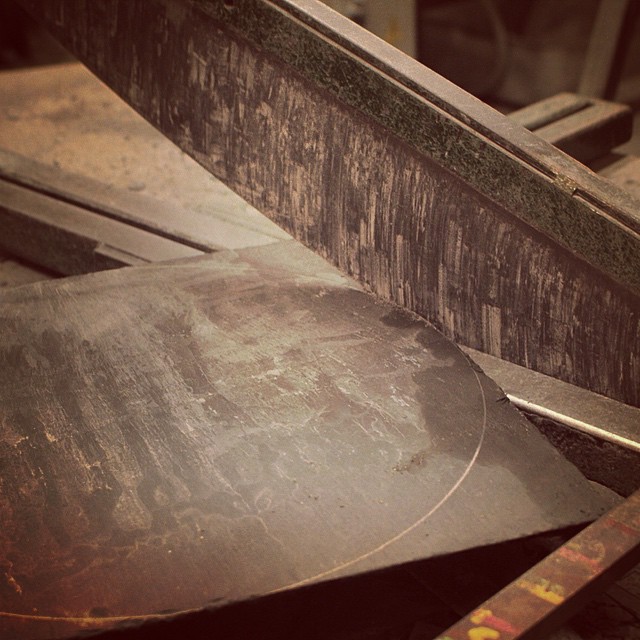
With the chipped edge facing down, we then cut up to the line with a hand guillotine.

As the guillotine is cutting through the slate, it creates a rustic chipped edge on the underside. Once the shape is cut out, we then need to check that there are no loose pieces around the chipped edge and tap away any sharp corners.

Cutting slate

For the picture frames, we also need to use a bridge cutter to remove the centre cut out then file the corners with a diamond file.

Step 2:

Once we have our Welsh slate cut to size, we apply a food-safe oil/sealant, which also enhances the colour of the slate. We apply this special oil with our custom-built scrubbing machine, which simultaneously removes any dust spots and any loose bits .

Oiling Slate

Step 3:

The Welsh slate is left to dry overnight. Once the oil is dry we can then finish the products as required. For all tableware we use large 3mm thick natural cork pads on the underside of each piece.

Cork pads

All products are then tied and tagged before being boxed, ready for the customer.

Slate coasters

Of course; once the items are finished we can then engrave any Welsh slate product for a multitude of uses, but that’s another story.

…And that’s when our Welsh slate products find themselves being transported to any number of destinations. Not only do we fulfil orders from our website, we also have a retail shop in Neath where, alongside our own products, we also sell a wide range of gifts and homeware, all made in Wales. Of course.

Have you seen any Slate House Welsh slate homeware on your travels?
Slate House

Trade Secrets – Making Natural Soap

May 11, 2015
Handmade natural soap

Alongside our handmade soy candles, at Slate House we also make  handmade natural soap.

Over the past few years, we’ve trialled many different methods and recipes and now that we’re proud of the finished product, we’re happy to share some of the tricks of the trade…

Firstly, we believe that to create an excellent soap, you need to use top quality ingredients. At Slate House, the mixtures we create are 100% natural. Nothing artificial is added to our soaps; no chemicals, parabens or animal products. They are even free from artificial colours – which is impressive considering how good they smell and look!

If you haven’t tried our natural soaps yet, we really do recommend that you give them a go. But before you do, if you’d like to know more about they’re made, here’s our step by step guide…

Step 1:

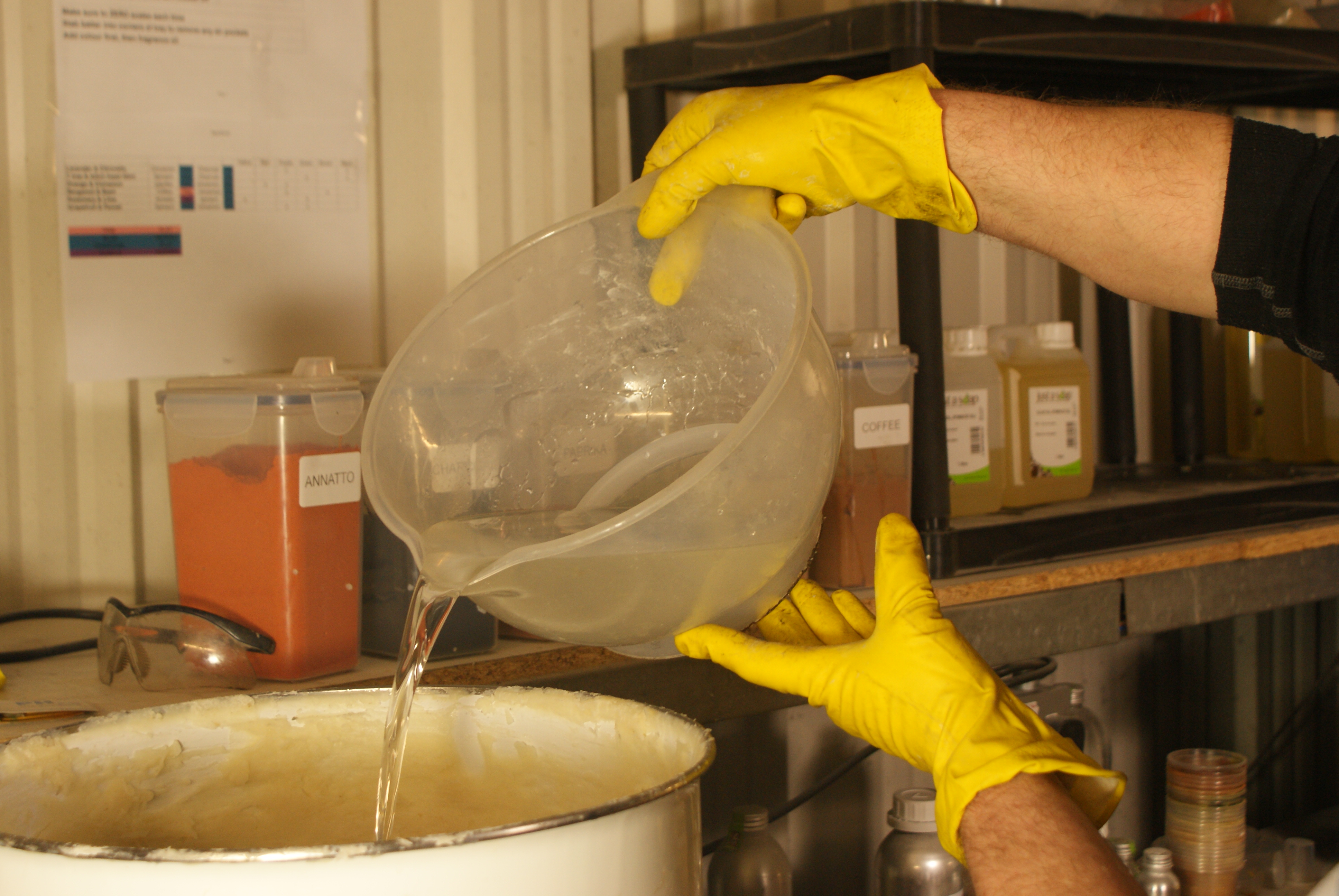
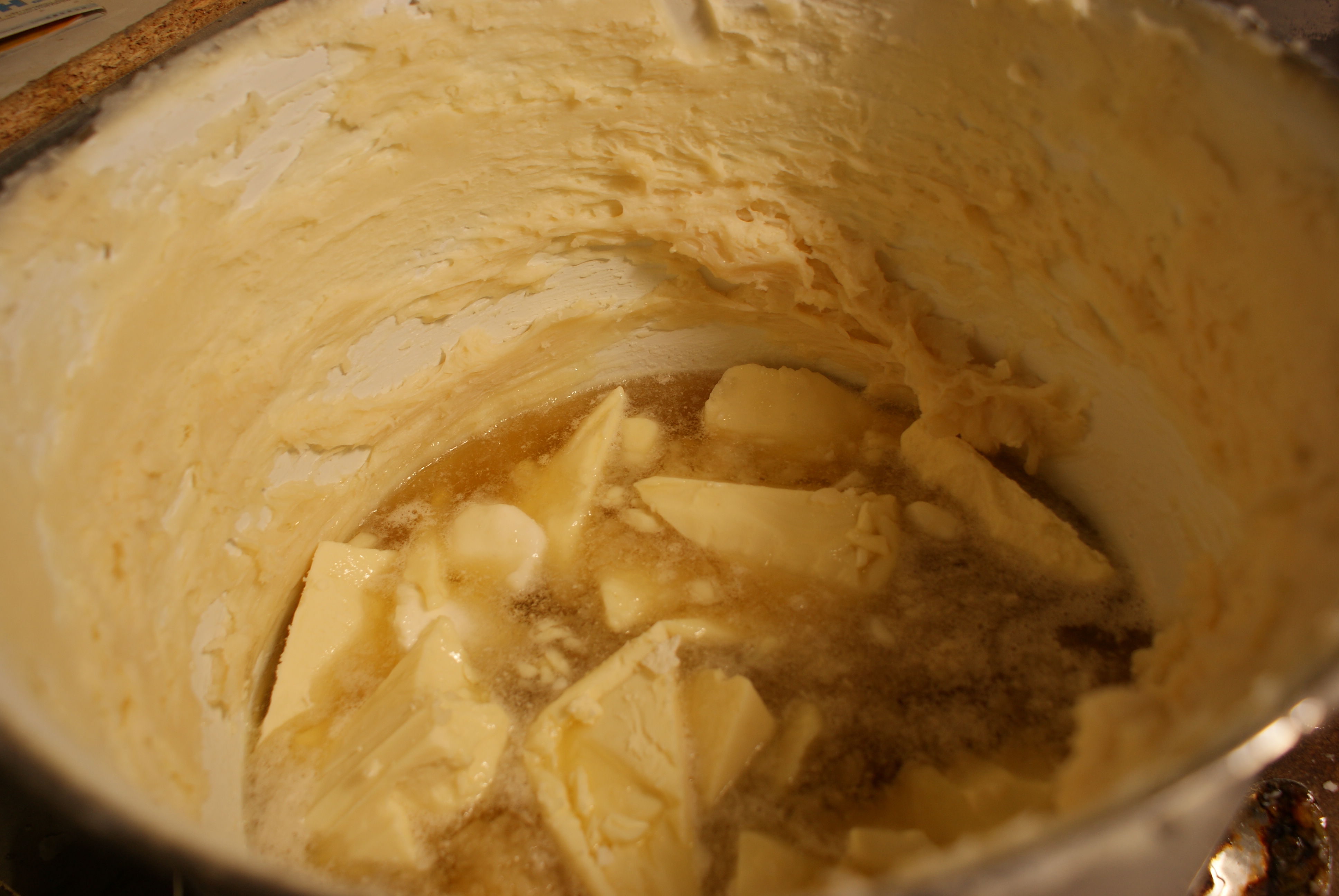
At Slate House, we use the “hot process” method, which involves melting all of the soap’s oils together at around 60 degrees. Once our blend of shea butter, coconut oil, palm oil, olive oil and castor oil are liquefied, we add a lye solution to help with the solidification.

MMixing Natural Soaps

The lye is added to the hot oils and then blended for about 6 to 8 minutes, until the solution resembles a thick Vaseline. This is the first crucial part of the process, which is called reaching ‘trace’. The lye must now be entirely cooked off – which will usually take about an hour.

Natural Soap Mixture


Step 2:

We must keep constant watch over the soap, continuing to stir while it cooks. The mixture tends to expand rapidly without warning, which can leave us with an expensive mess on the bench!

Cooking Natural Soap

To make sure the lye has completely cooked away leaving behind pure soap, we check the PH level with Litmus paper. Slate House soap is always PH neutral.

PH Neutral soap


Step 3:

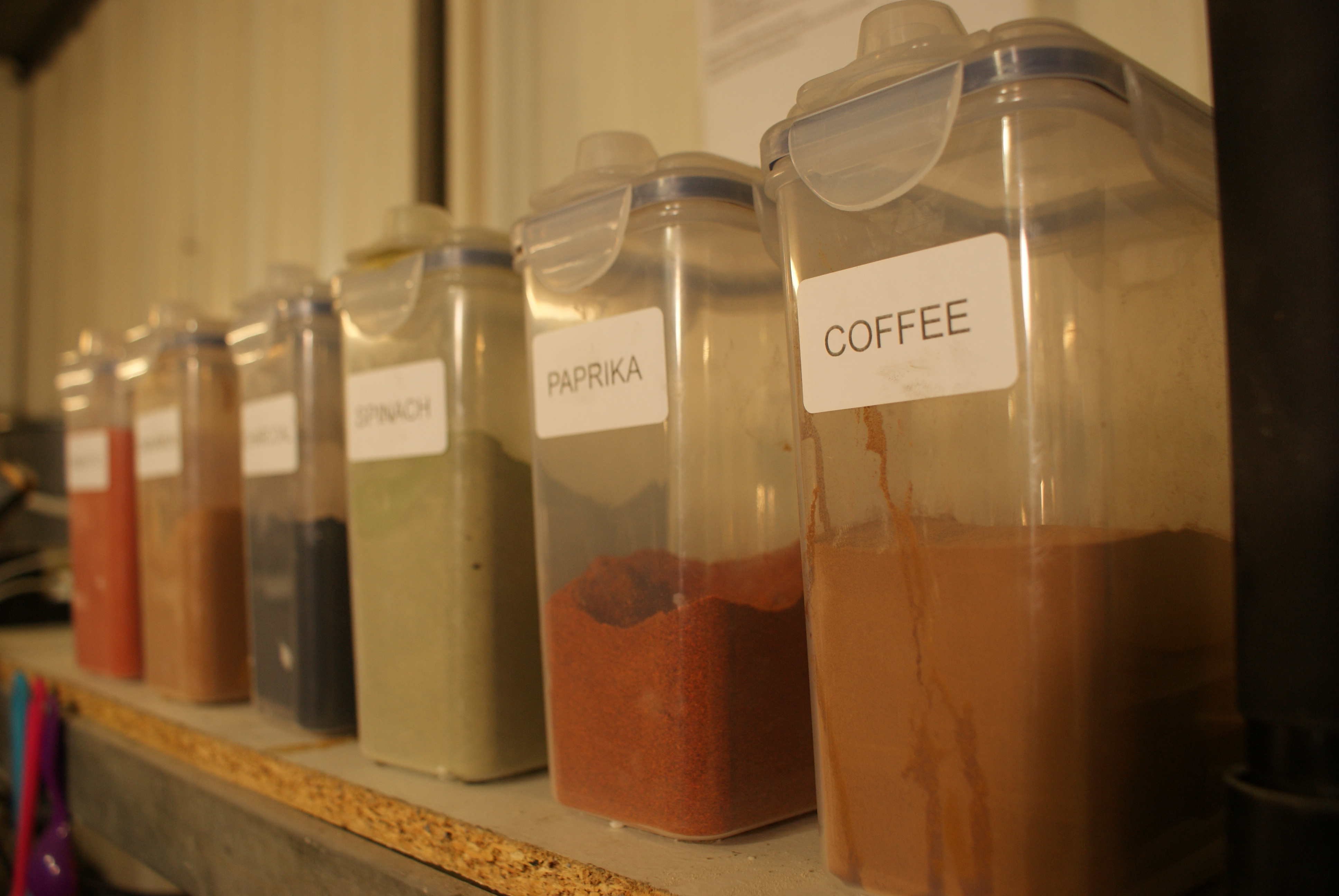
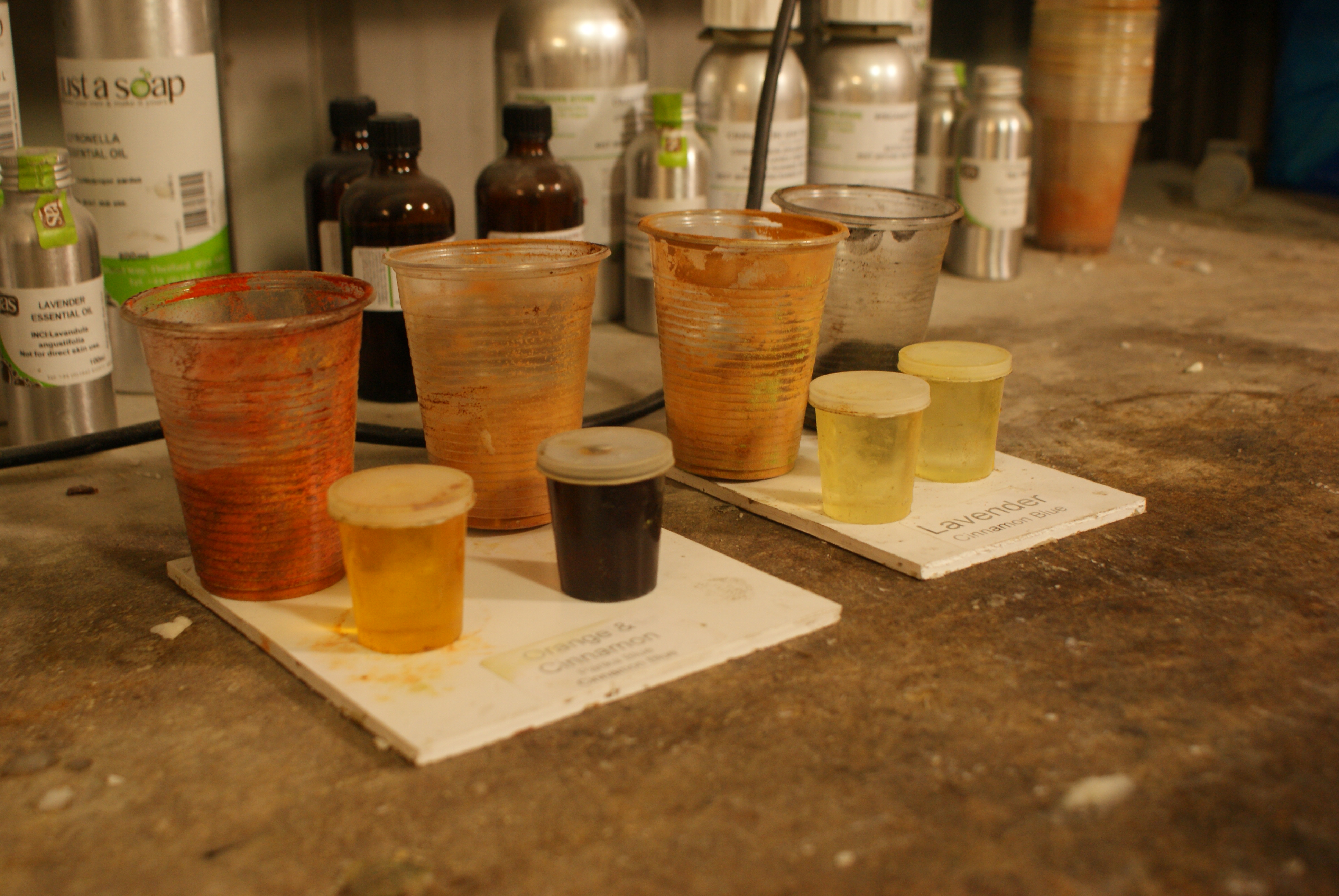
Each bar of natural soap is made up of two different fragrances and two different colours, which have been painstakingly tested to complement each other. Colourants we use include herbs, spices, coffee and even charcoal!

Natural Soap Colourants

We add half of the mix to a bowl, add the fragrance and natural colourant and give it a good stir.

Natural Soap Colourants

We can then pour the first half of the mixture into our silicone-lined mould, spreading it out evenly and making sure the edges are full of the natural soap mix.

Natural Soap Mould

We then pour the second half of the mixture into a bowl and add the other fragrance and colourant. Again, we fill the mould to the top, spreading the mix evenly before covering it all with grease proof paper. We then use a rolling pin to ensure the soap bars have flat, even edges.

Natureal Soap Layers


Step 4:

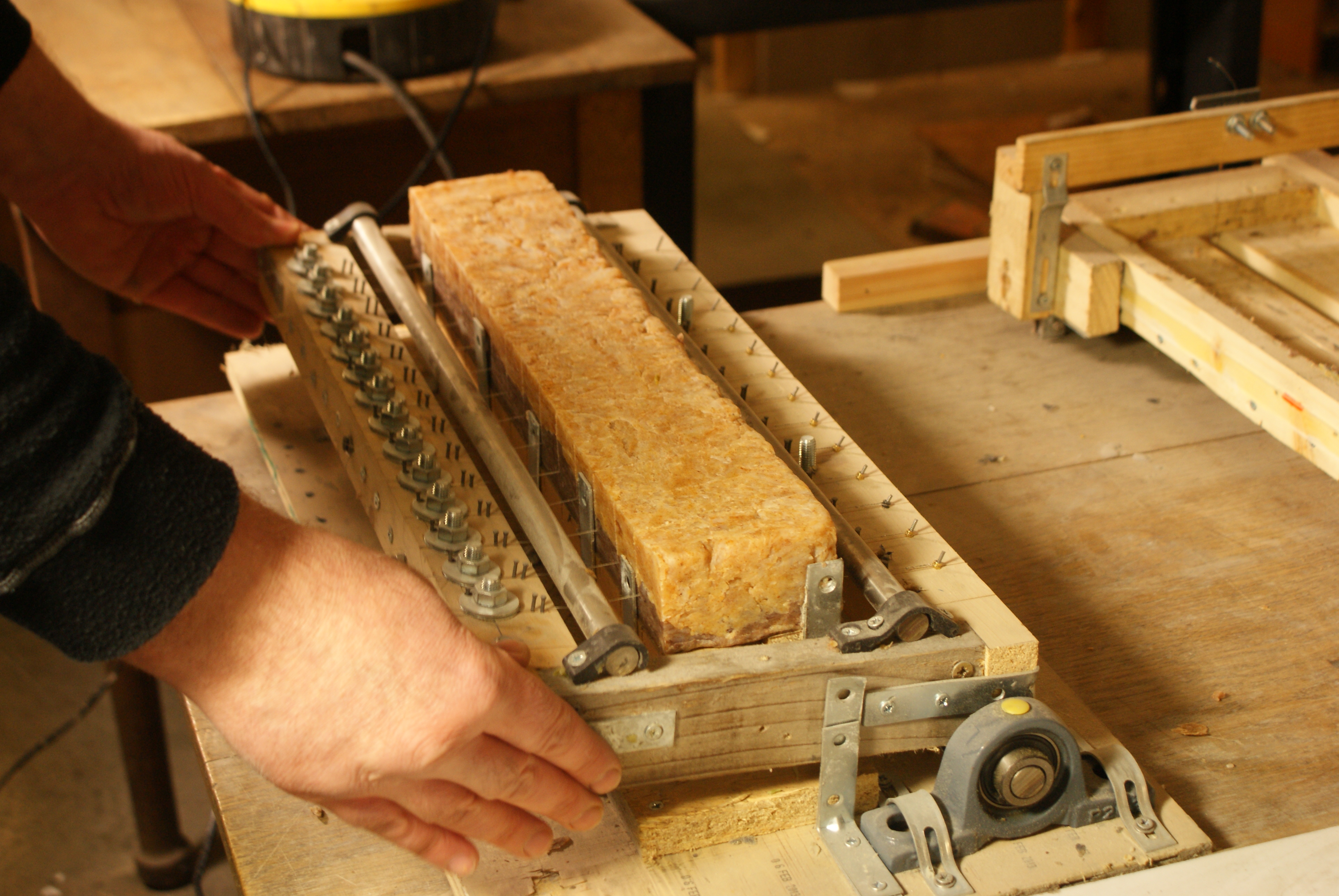
We need to leave the soaps for twenty four hours to ensure they have set. Once the time has passed, we flip the moulds and drop out the big bars. We then slide them in to our ‘bar cutter’ and then our ‘loaf splitter’, ensuring they’re all of a consistent size.

Cutting Natural Soap

Natural Soap Bars


Step 5:

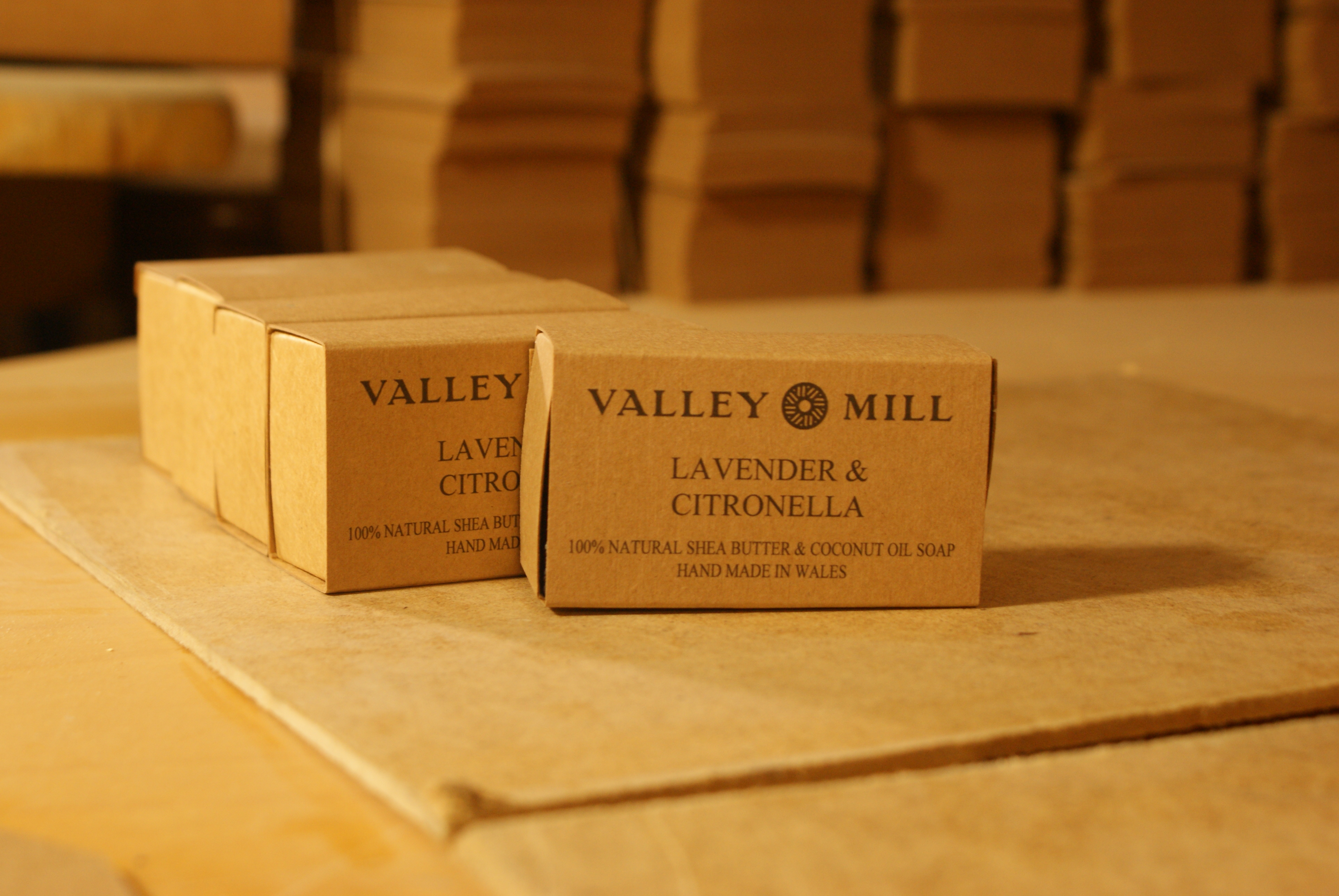
Once the bars have been cut, we carefully put them into our signature Slate House packaging – and they’re ready to retail!

Natural Soap Bars

Our handmade soaps are available in seven different varieties:

  • Bergamot & Basil
  • Grapefruit & Fennel
  • Orange & Cinnamon
  • Rosemary & Lime
  • Tea Tree & Witch Hazel
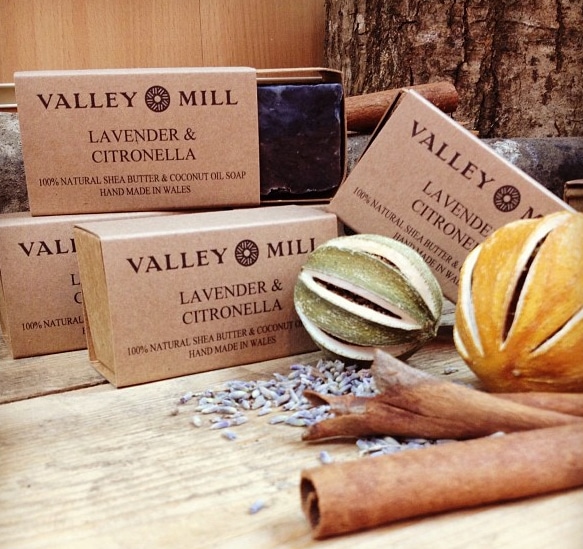
  • Lavender & Citronella

If you’d like to try some for yourself, you can buy our natural soaps online or at our shop in Neath. We also have a number of stockists up and down the UK, so keep your eyes peeled for our Slate House labels! To see our natural soaps being made, take a look at our step-by-step process video on YouTube – it’ll let you in to a few more of our trade secrets!

Slate House

Trade Secrets: Making Soy Wax Candles

March 25, 2015
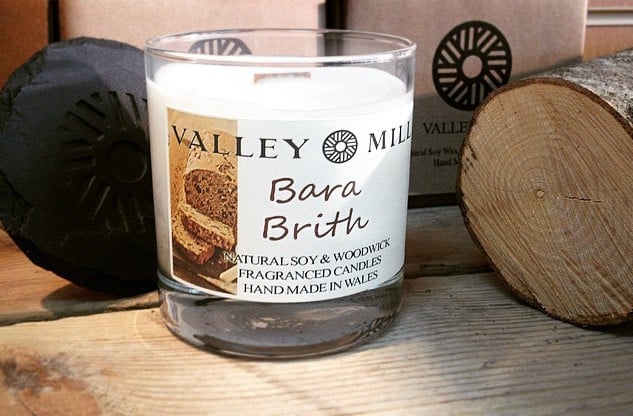
Bara Brith Candle

Over the past few years, the Slate House team has been practising the art of candle making and through many, many trials we have developed a technique and finished product to be proud of.

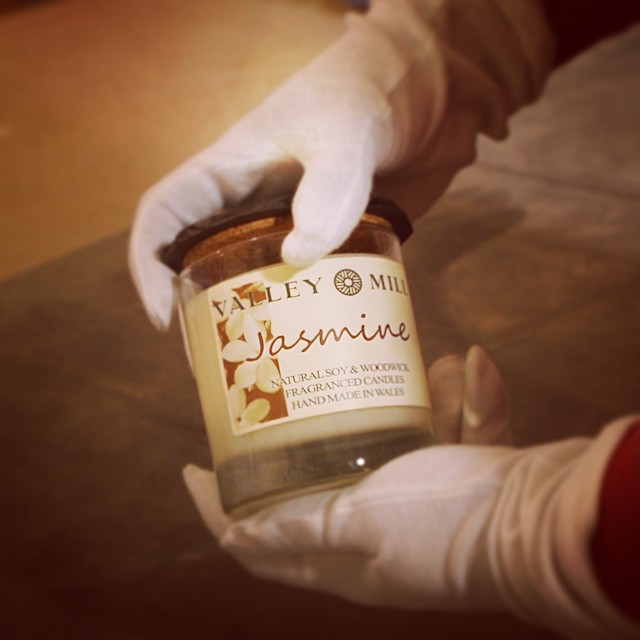
If you haven’t seen them yet, Slate House’s soy candles are made with 100% natural soy wax and have large wooden wicks. The wick is a very important aspect of any candle – a wooden wick allows for a full melt pool, which means no wax is wasted when the candles are burned. Additionally, a large melt pool means a better scent-throw; a major plus point when it comes to fragranced candles. They are housed in a very chunky, good quality 12oz glass tumbler and capped with a hand made Welsh slate topper, which doubles up as a coaster when the candle is fully burned. 

We’ve worked tirelessly to ensure that our soy candles are up there with the very best and our customers are continually recognising how good they really are. The best part is, they’re not mass-produced in a far-away country by a faceless company. They’re hand made in South Wales by people who believe in craftsmanship and quality. So to give you an insight to the process involved before they sit on your sideboard, here’s a step by step guide to how we make them…

Step 1:

Firstly we turn on our wax cooker and fill it with natural soy wax – it melts at around 60 degrees Celsius.

While we wait for the wax to melt, we lay out the tumblers onto our heated table. We’ve learned that it’s really important to ensure that the glass is warm when the wax is poured. If it’s not, when the wax starts to cool, it can separate from the glass container, leaving a slight gap between the glass and the wax. The heated table also prevents the wax from cooling too quickly – if this occurs, the candle will crack. With this in mind, gradual cooling is a top priority when it comes to producing quality candles.

11032916_1589565894619089_880553440_n


Step 2:

Once the wax has melted and the tumblers are warm, we need to prepare the scent. We use 20ml per candle, which equates to 7% scent. As we pour five candles at a time, we need 100ml of scent per pour.

Candle scent

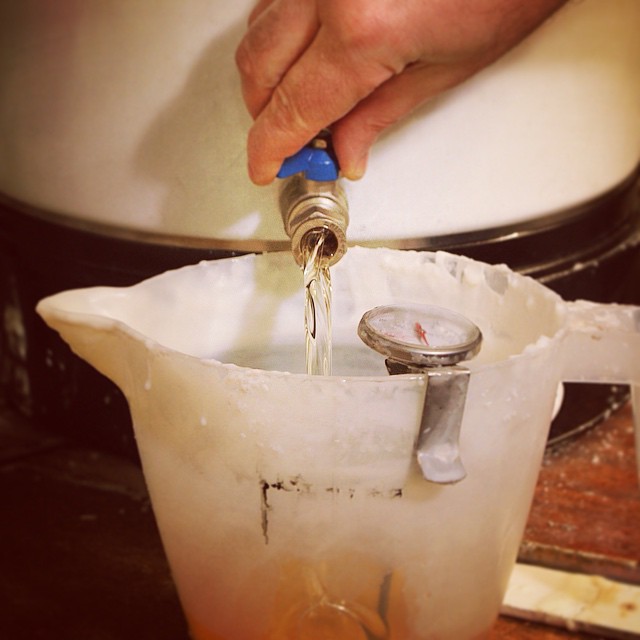
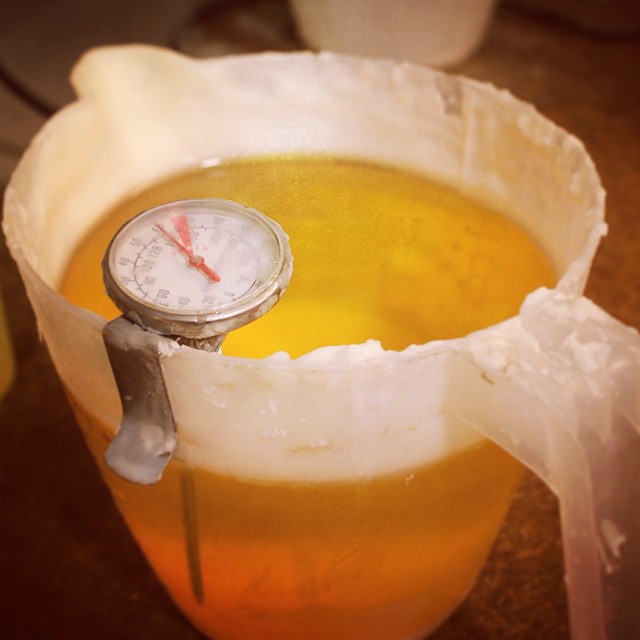
We then pour 1.5 litres into a jug and check the temperature, which needs to be between 58 and 62C. It’s a delicate process and if it’s too cold, we pour the wax back into the cooker and increase the temperature slightly. Equally if it’s too hot, we will have to wait for it to cool down.

Once the correct temperature is reached, we can pour the scent into the jug and give the wax a good stir, not leaving it too long as the wax does cool down slightly as soon as you pour the scent in.

Candle wax   Candle wax temperature


Step 3:

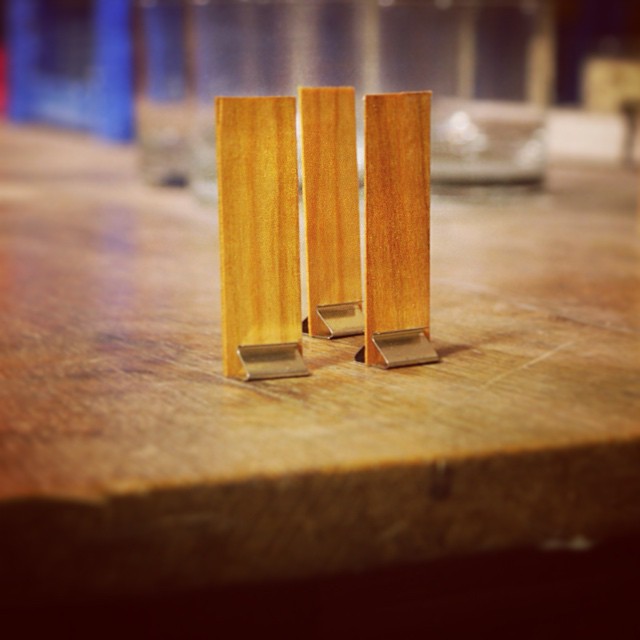
We place the wooden wick  into the glass tumblers, making sure they are central and secure. When we first started to make soy candles, we placed the wicks into the tumblers later in the process – but in line with our drive to continually improve and progress, we found that adding them before the wax is poured allows for a better finished product.

We slowly pour the wax into the tumblers, careful to avoid creating too much disturbance in the glass, as this will create bubbles and air pockets when the candle sets.


Pouring candle wax   10838458_1559217457662217_577725111_n


Step 4:

We repeat this process for a full batch of 100 candles and then cover them to avoid any contamination – and help to keep the heat in for as long as possible. We can then turn the heated table off and wait for 24 hours.

Step 5:

After the candles are set, we use a heat gun to re-melt the tops of the candles, removing any surface irregularities that can be caused by trapped air.

Handmade soy wax candles


Step 6:

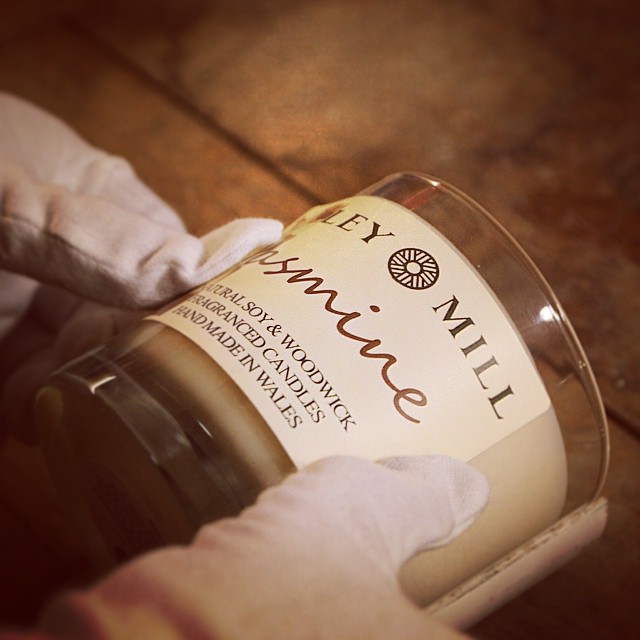
Once the candle tops are flat, all that’s left to do is give them a wipe over to make sure there are no wax drips. We then apply the stickers and box them up, ready to be distributed. All of our soy candles come gift-boxed, as standard.

Candle stickers   Welsh slate candle topper


We send our natural soy wax candles all over the world and stock a number of UK gift shops, including our own store in Neath town centre. Our Welsh Cake and Bara Brith candles are proving very popular recently – but although we may be biased, if you ask us, all of the Slate House candle fragrances are outstanding!

Recipes Slate House

Savoury Honey Recipes (and a bit about Winnie the Pooh!)

August 11, 2014

If you’re lucky enough to have known Hundred Acre Wood when you were growing up, you will be more than just familiar with a certain  underwear-less honey addict – one we all affectionately know as Pooh Bear.

AA Milne’s glorious creation fully owes it’s existence to a chain of unpredictable events which transpired half a world away. A gentleman by the name of Harry Colebourn, hailing from Winnipeg, Canada was travelling with his brigade during the first world war and saw a hunter at the roadside. The hunter was sporting a lovely black bear pelt, but also, caged and scared was a tiny little bear cub; now orphaned. Colebourn found it in his heart, and his wallet, to the tune of $20 to rescue this cub and he was raised with love,becoming the bridgade’s mascot. He named the bear Winnipeg, after his home town, or Winnie, for short.

Winnie the Pooh was born!

When the brigade travelled to London in 1919, they realised that the road to war was no place for a little bear and they long-term loaned him to the London Zoo, where he happily saw out his days. Winnie was a very popular attraction and drew people from far and wide. Among these fans was a little boy. What was his name? I’m sure you can guess… Christopher Robin was the son of AA Milne and loved the bear in perhaps the only way little boys can love at all –  wholeheartedly and purely.

He at this time owned his own teddy bear, called Edward Bear, but was so swayed by it’s real life doppelgänger that he changed the name of his teddy bear to Winnie. The chain of events which started in Canada almost a decade earlier culminated in the birth of one of the most well known children’s series ever.

Winnie the Pooh taught us many things, the values of life, friends, love, family; and most importantly – to take joy in the little things in life, whatever they may be. In the case of that cheeky bear, his passion was honey.

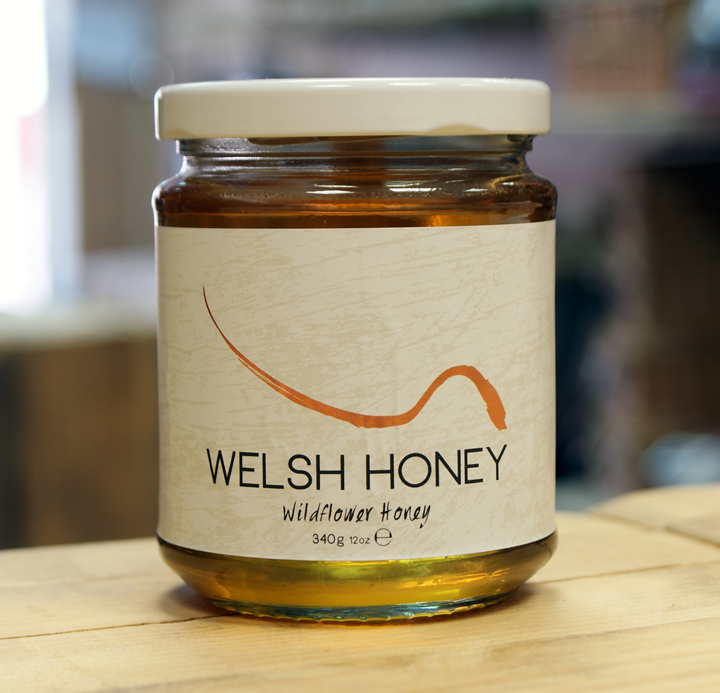
Welsh Honey

At Slate House, we’re partial to a drop or two of honey ourselves! It’s an underrated substance, so diverse and rich in it’s variety and flavour. Its uses are wide and its enjoyment is global. As stockists of Welsh Honey, our customers often ask, “what can I do with honey?”, so we spoke to @BestRecipesEver on Twitter and they were kind enough to offer us some very yummy sounding recipes. Here they are for you to take a look at – if you do try them, let us know how you get on!


Honey Goat Cheese Spread

http://www.cbc.ca/bestrecipes/recipes/honey-goat-cheese-spread

Honey Goat Cheese Spread
This sweet, creamy spread is a tasty alternative to a log of plain goat cheese on a cheese plate. If you have any left over (doubtful!), it makes an excellent sandwich spread. Serve with sliced Granny Smith apples, crackers or vegetable sticks.

Ingredients

1 pkg (140 g) soft goat cheese
1/2 cup (125 mL) Balkan-style plain yogurt
1 tbsp (15 mL)  honey
1/4 tsp (1 mL) pepper
1/4 cup (60 mL) chopped fresh basil
1/4 cup (60 mL) chopped fresh chives
2 tbsp (30 mL) chopped roasted almonds

Preparation

In a bowl, stir together goat cheese, yogurt, honey and pepper. Stir in basil and chives. Scrape into serving dish; smooth top. Sprinkle with almonds. (Make-ahead: Cover and refrigerate for up to 2 days.)

Honey Garlic Meatballs

http://www.cbc.ca/bestrecipes/recipes/honey-garlic-meatballs

Honey Garlic Meatballs

Ingredients

1 egg
1 small onion, grated
1/4 sweet red peppers, finely diced
1/4 cup (50 mL) dry bread crumbs
2 tsp (10 mL) soy sauce
2 tsp (10 mL) Worcestershire sauce
1/4 tsp (1 mL) pepper
1 lb (454 g) lean ground beef
1 cup (250 mL) beef stock
4 cloves garlic, minced
4 tsp (18 mL)  honey
1 tbsp (15 mL) cornstarch
1 dash hot pepper sauce
1 green onions, chopped

Preparation

In a bowl, whisk together egg, onion, red pepper, bread crumbs, soy sauce, Worcestershire sauce and pepper; mix in beef. Roll by rounded tablespoonfuls (15 mL) into balls; place on greased rimmed baking sheet. Bake in 450°F (230°C) oven until no longer pink inside, about 20 minutes. Meanwhile, in a large skillet, whisk beef stock, garlic, honey, cornstarch and hot pepper sauce; cook, whisking, over medium heat until thickened, 2 minutes.
Add meatballs and any accumulated juices to pan, stirring to coat. Serve sprinkled with onion.
Tip: Boil 8 oz (250 g) egg noodles for 6 minutes. Add 2 cups (500 mL) frozen broccoli florets; boil until pasta is tender, about 2 minutes. Drain.

Servings: 4

Recipes by:  @BestRecipesEver on Twitter